Shiraz Art Museum
Musée du Sud
Shiraz Art History
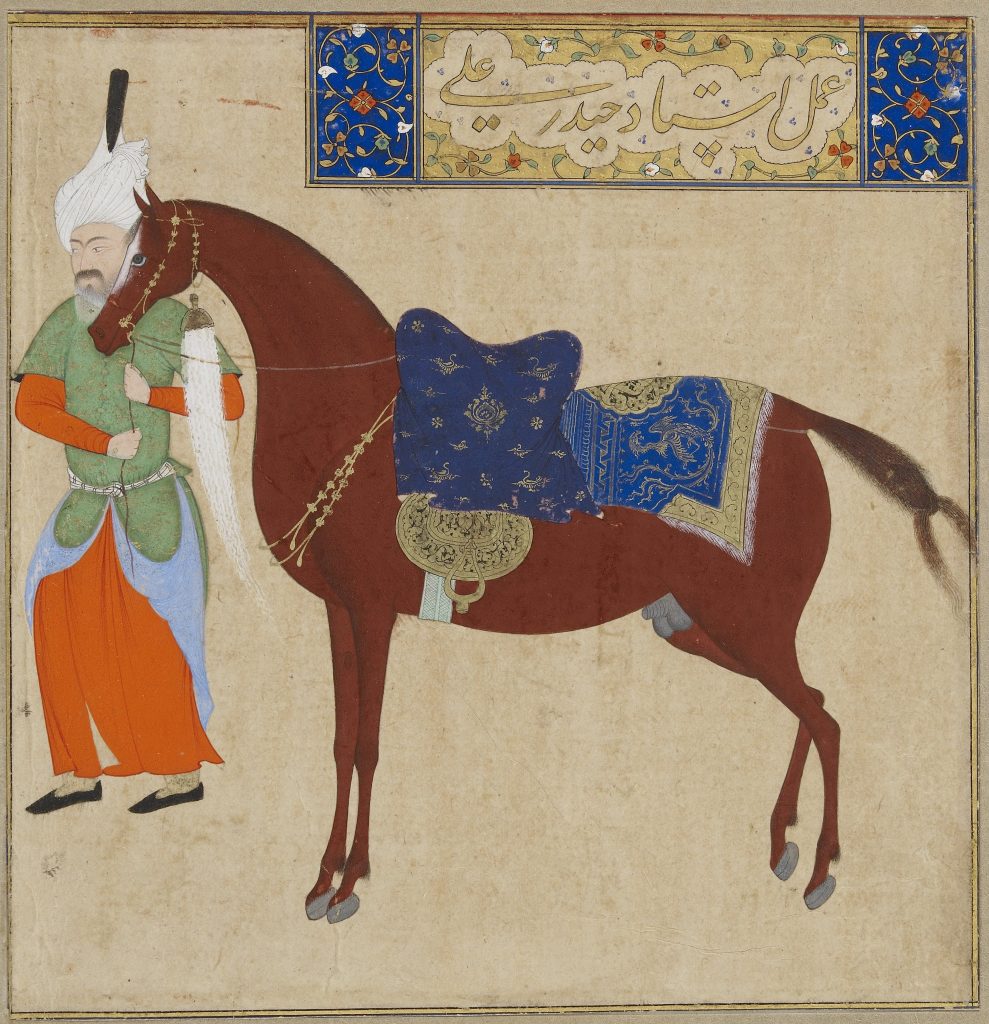
Fourteenth-century Persian painting evolved through its encounter with Chinese art. Sponsored by the Il-Khans, artists gradually absorbed this foreign influence, building directly upon the deep-rooted foundations of Persia’s ancient cultural heritage.
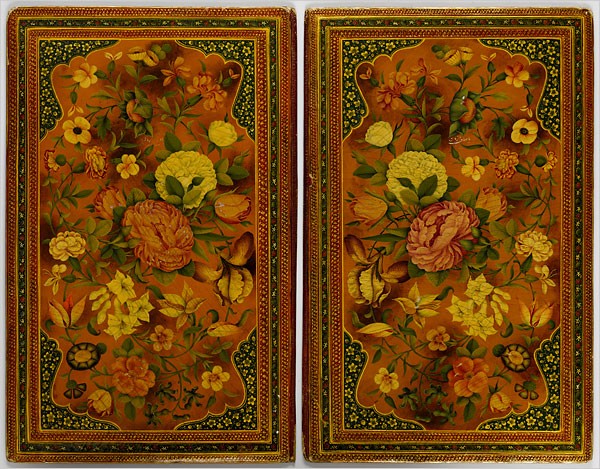
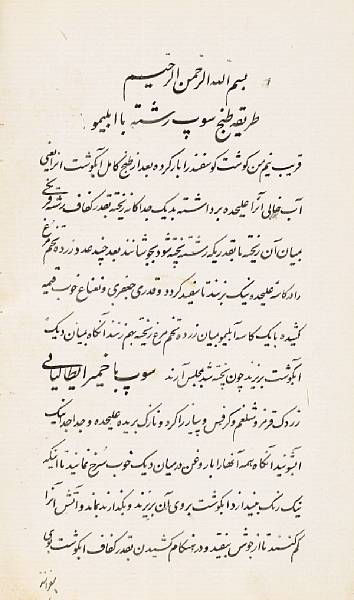
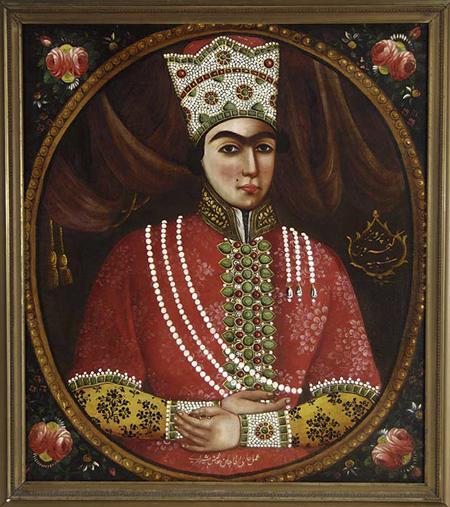
The Persian manuscript was commissioned by Muhammad Quli Khan-e Qajar Quyunlu, Majd al-Sultaneh. Photo- Bonhams
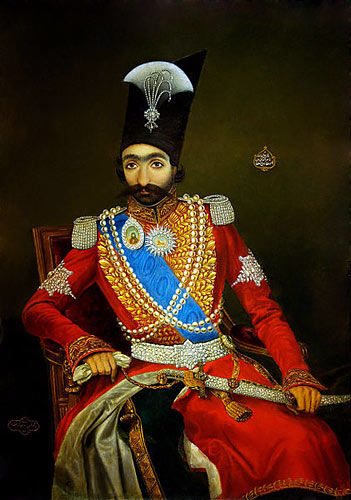
@2012 Musée du Louvre, Department of Islamic arts.
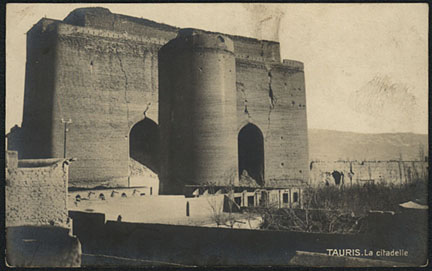
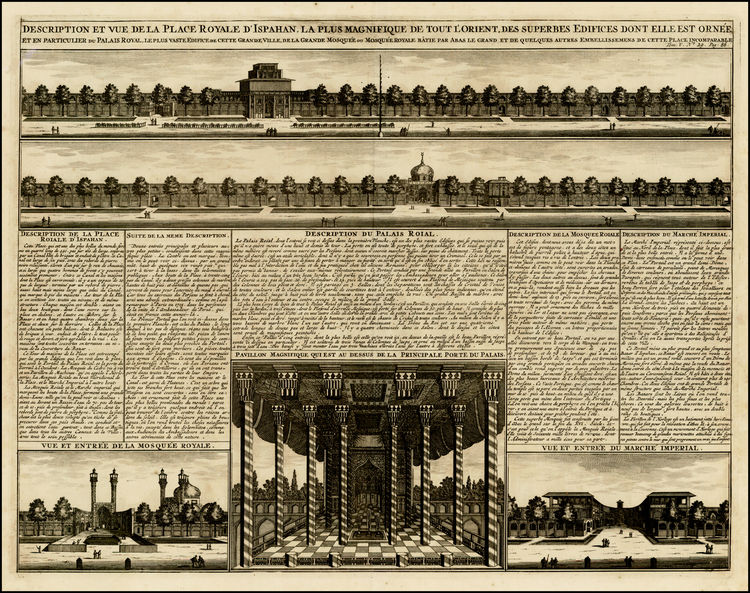
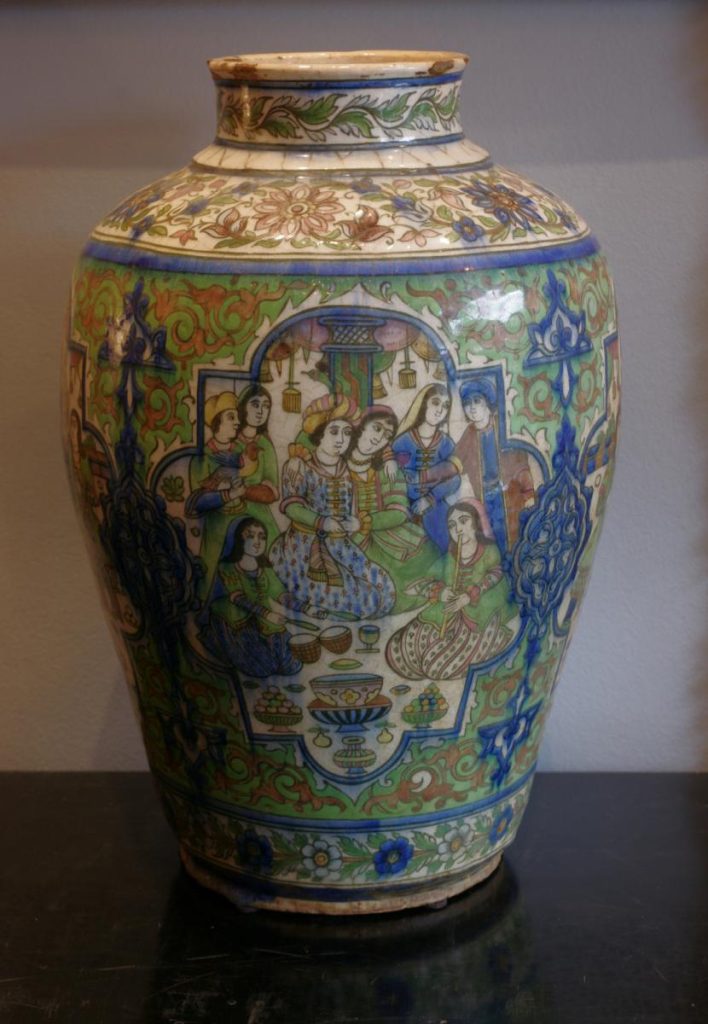
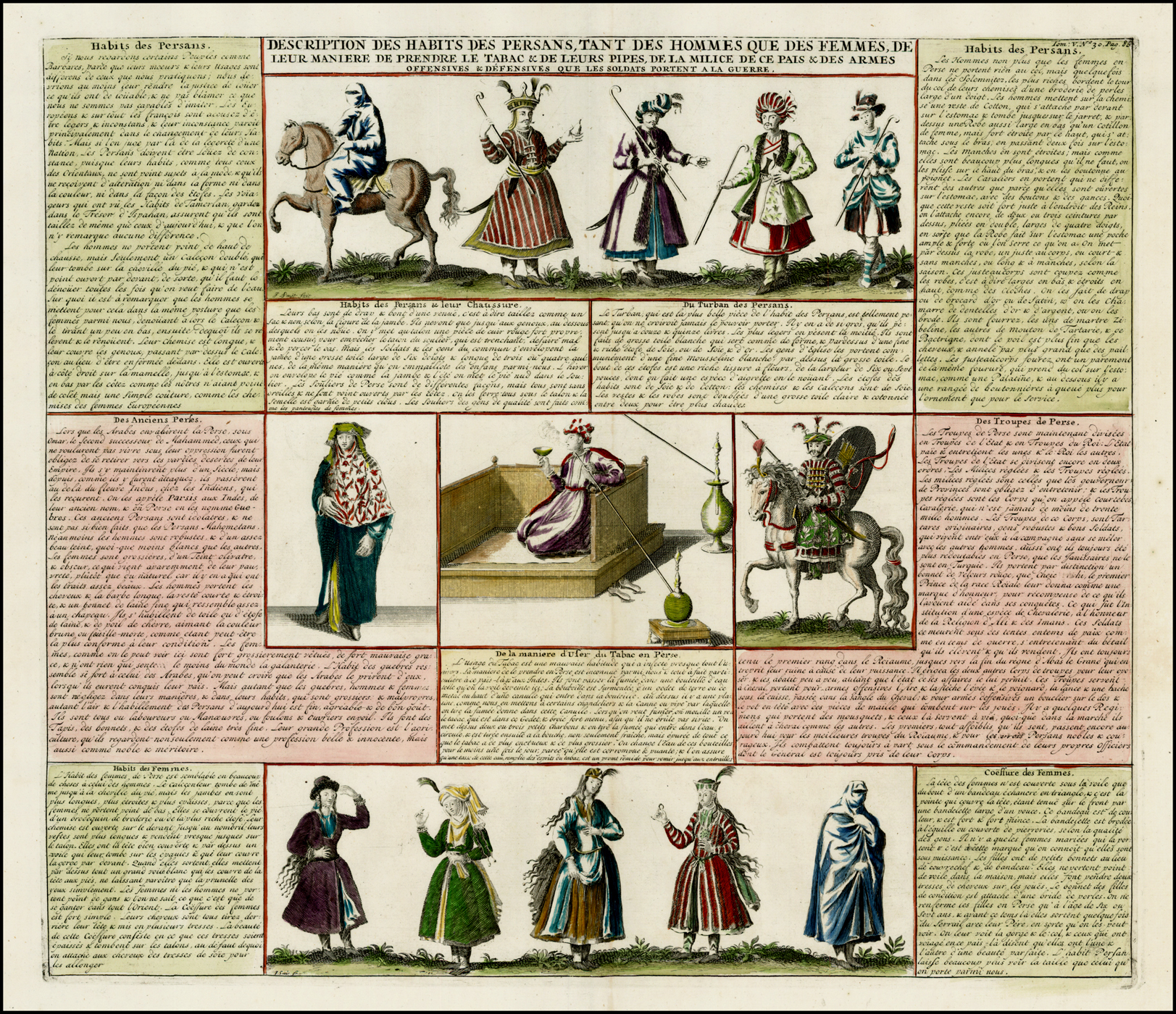
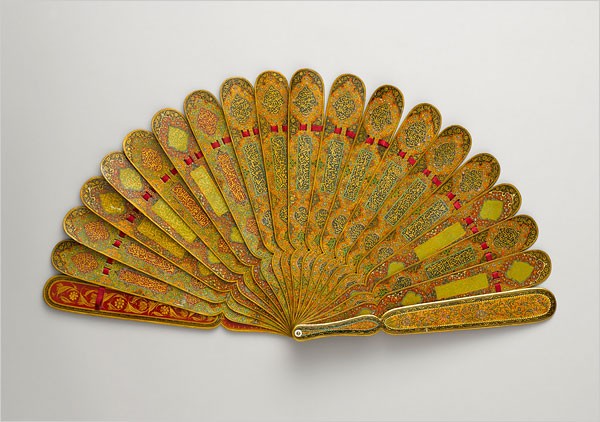
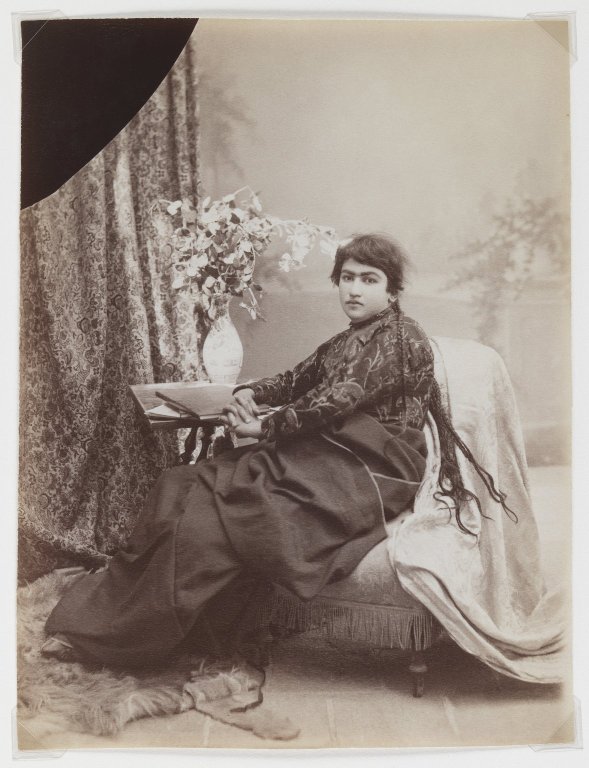
Persian woman, Antoin Sevruguin
XIXth century
Our Mission & Values
The vision for this museum was born while its founder was studying art abroad. Today, that dream lives in the heart of Shiraz. Housed in a grand Zand-dynasty residence, our museum bridges the past and the present.The building itself is a masterpiece. Every corner beautifully preserves generations of historic Shiraz architecture. To protect this heritage, the estate was meticulously restored—creating a stunning, authentic space to showcase our diverse collections of art.
Authentic Artworks
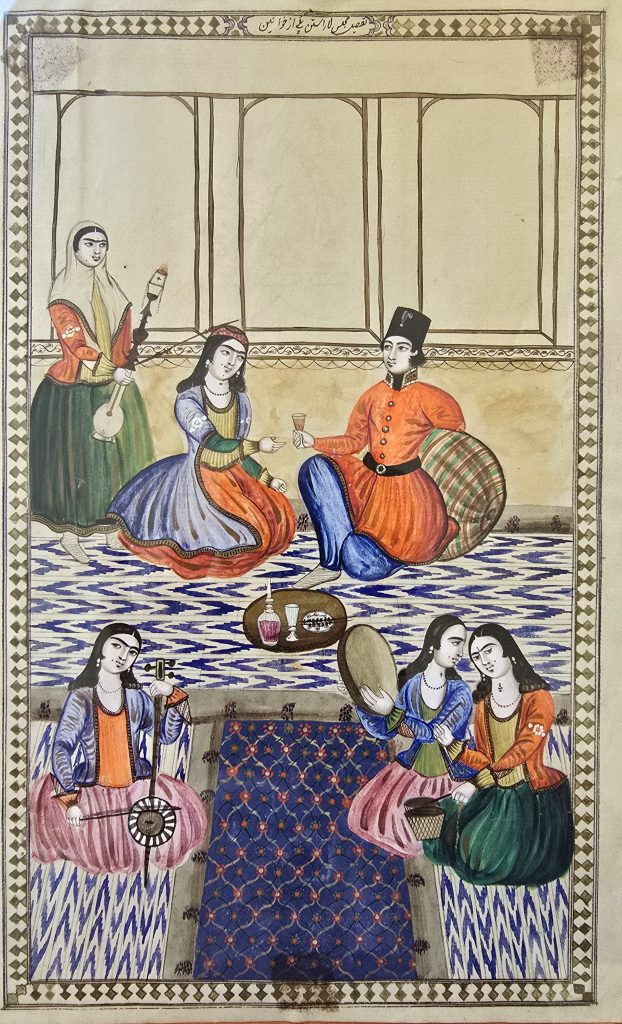
The Shiraz Art Museum proudly houses one of the region’s most significant collections of Iranian and international art, spanning over 2,000 unique works. Our galleries showcase a vibrant spectrum of visual expression—ranging from delicate traditional miniatures and classical drawings to striking modern paintings and sculptures. Acquired from across the globe or generously gifted by artists, local families, and passionate collectors, our holdings celebrate a shared love for creativity. Beyond the visual arts, the museum guards a priceless legacy of rare literary manuscripts and historical documents, bridging the artistic and intellectual history of the world.
From Private Roots to National Legacy
The Shiraz Art Museum is driven by a bold, long-term mission: to introduce, celebrate, and display world-class Iranian and international art. Founded as an intimate, privately funded art center, we are dedicated to achieving our foundational artistic milestones. As our collections expand and our cultural community grows, the museum will evolve. Our ultimate destination is to transform from an exclusive private institution into a major institution of national significance.
A Collection Shaped by Passion and Legacy
The soul of our collection lies in the generosity of the art community. The vast majority of our masterworks have been carefully acquired or graciously donated by visionary artists, passionate collectors, art enthusiasts, and historic Iranian families who share our dedication to preserving cultural heritage.