-
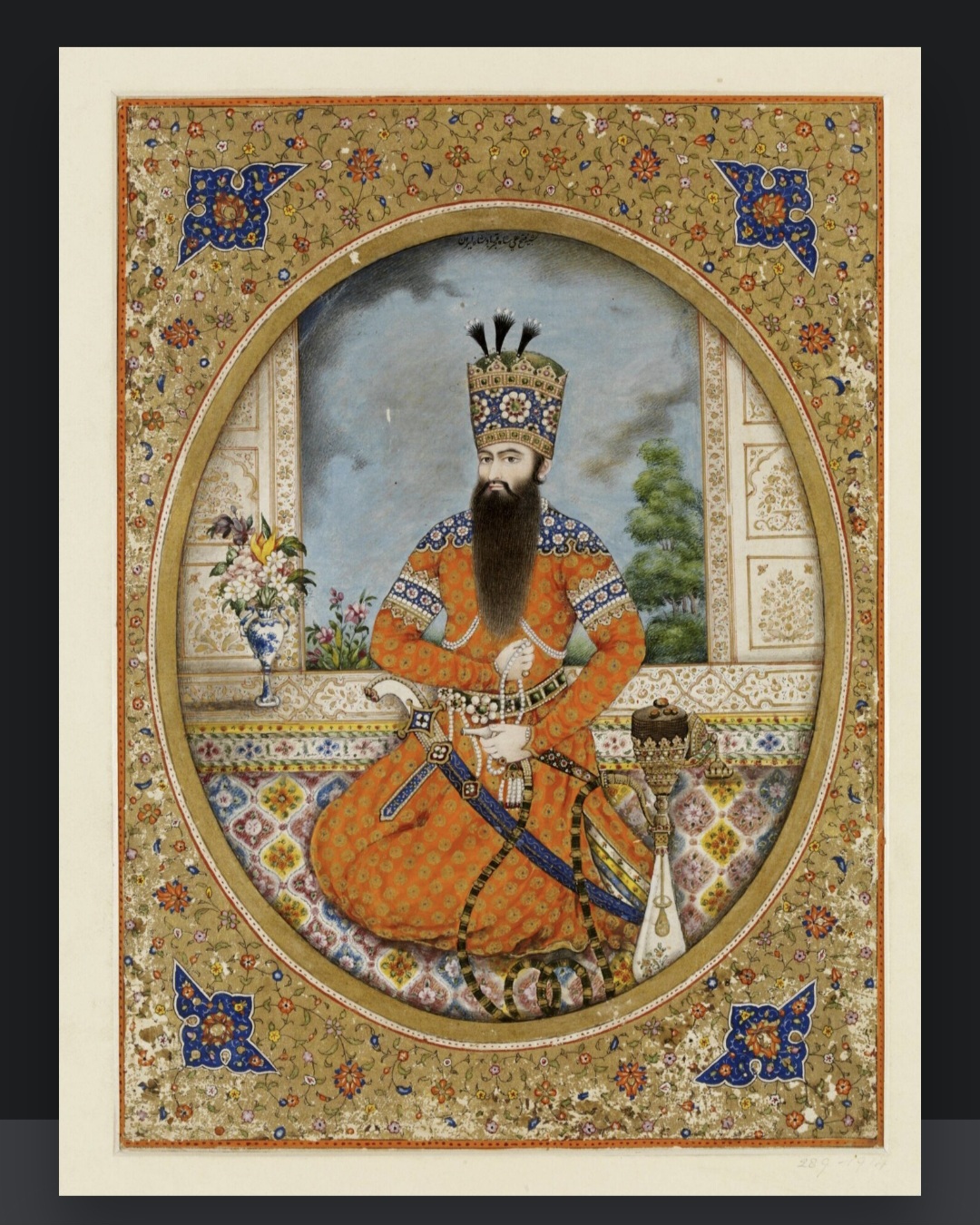
Persian painting of Fath Ali Shah Qajar
This exquisite Qajar-dynasty Persian painting depicts Fath Ali Shah Qajar, the lineage’s second ruler (r. 1797–1834). Celebrated for his distinct appearance, the Shah is shown with his signature long, thick black beard, slender frame, and joined eyebrows—a contemporary symbol of Qajar beauty and nobility. He is adorned in full regal splendor, wearing the jewel-encrusted…
-
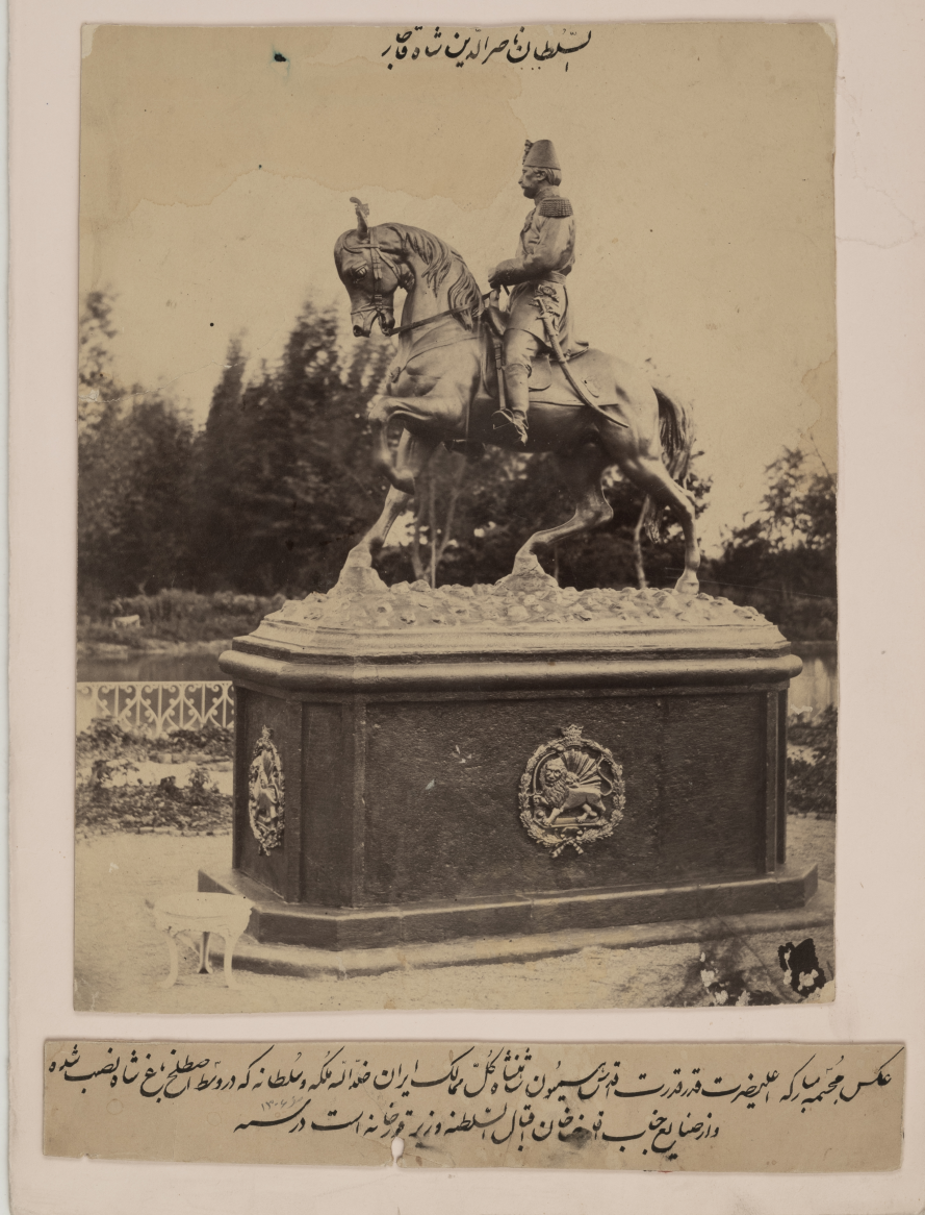
The Equestrian Statue of Nasser al-Din Shah
A Unique Historical Monument The equestrian statue of Nasser al-Din Shah stands as a pivotal monument, marking a profound intersection of art, politics, and religious tension in late 19th-century Iran. Conceived as a bold departure from traditional Islamic aniconism—the strict avoidance of three-dimensional human forms—this bronze masterpiece was unprecedented: it was the first equestrian…
-
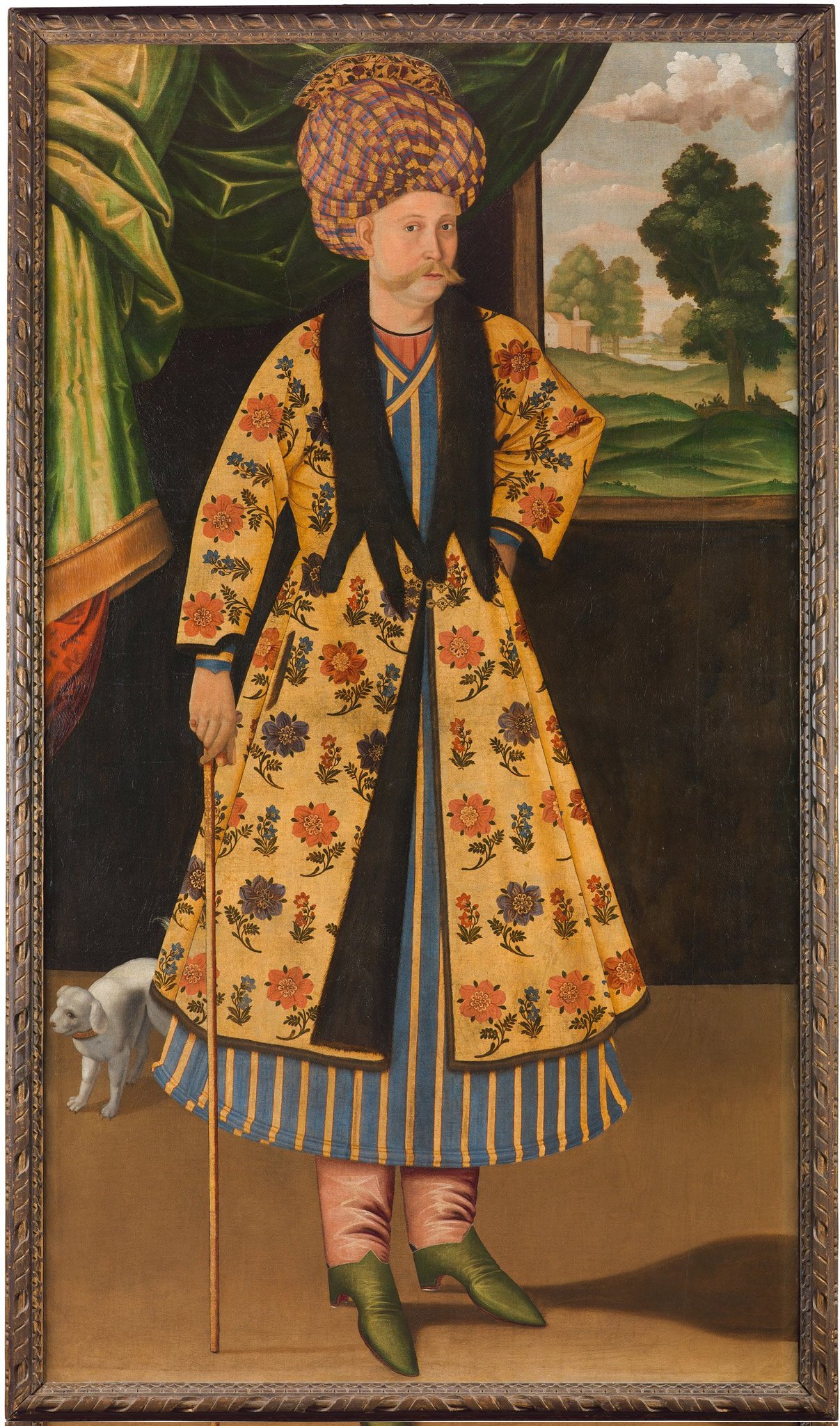
How Persian Fashion Conquered 17th-Century European Elites
The Mystery of the Gentleman in Turkish Dress vs. Van Dyck’s Masterpiece During the golden age of global trade and diplomacy, the boundaries of art and fashion became beautifully blurred. A fascinating testament to this era is the phenomenon of European dignitaries adopting the opulence of Middle Eastern courts. By comparing the enigmatic Portrait…
-
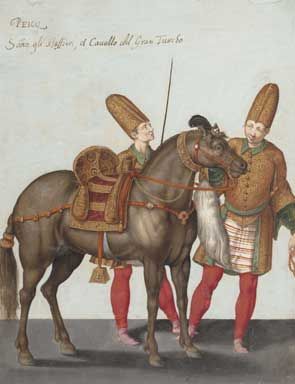
Two Persian Grooms Holding a Sultans Horse.
Location: Metropolitan Museum of Art as part of the David M. Tobey Collection One of the finest examples of late sixteenth-century European depictions of the Ottoman world. Here is some background and analysis: Basic information: What the image depicts What the image depicts The drawing shows two elaborately dressed attendants standing beside a richly…
-
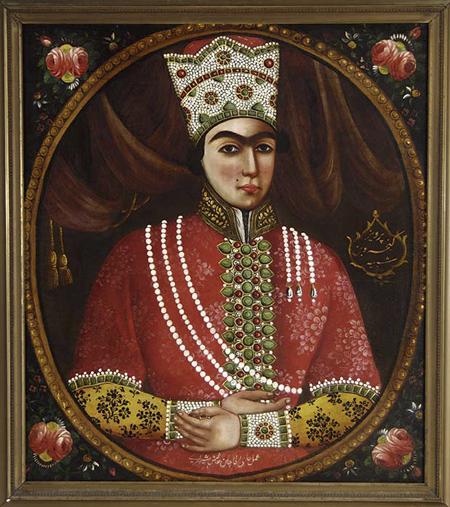
Portrait of a Qajar prince or famous Sassanid king
Technique: Oil on canvas Period: Qajar, ca. 1840 Copyright : Doris Duke Foundation for Islamic Art This painting is an anonymous portrait of a young Persian prince dating from the Qajar period (circa 1840). Held by the Doris Duke Foundation for Islamic Art, this oil-on-canvas work is highly representative of the aesthetic conventions and…
-
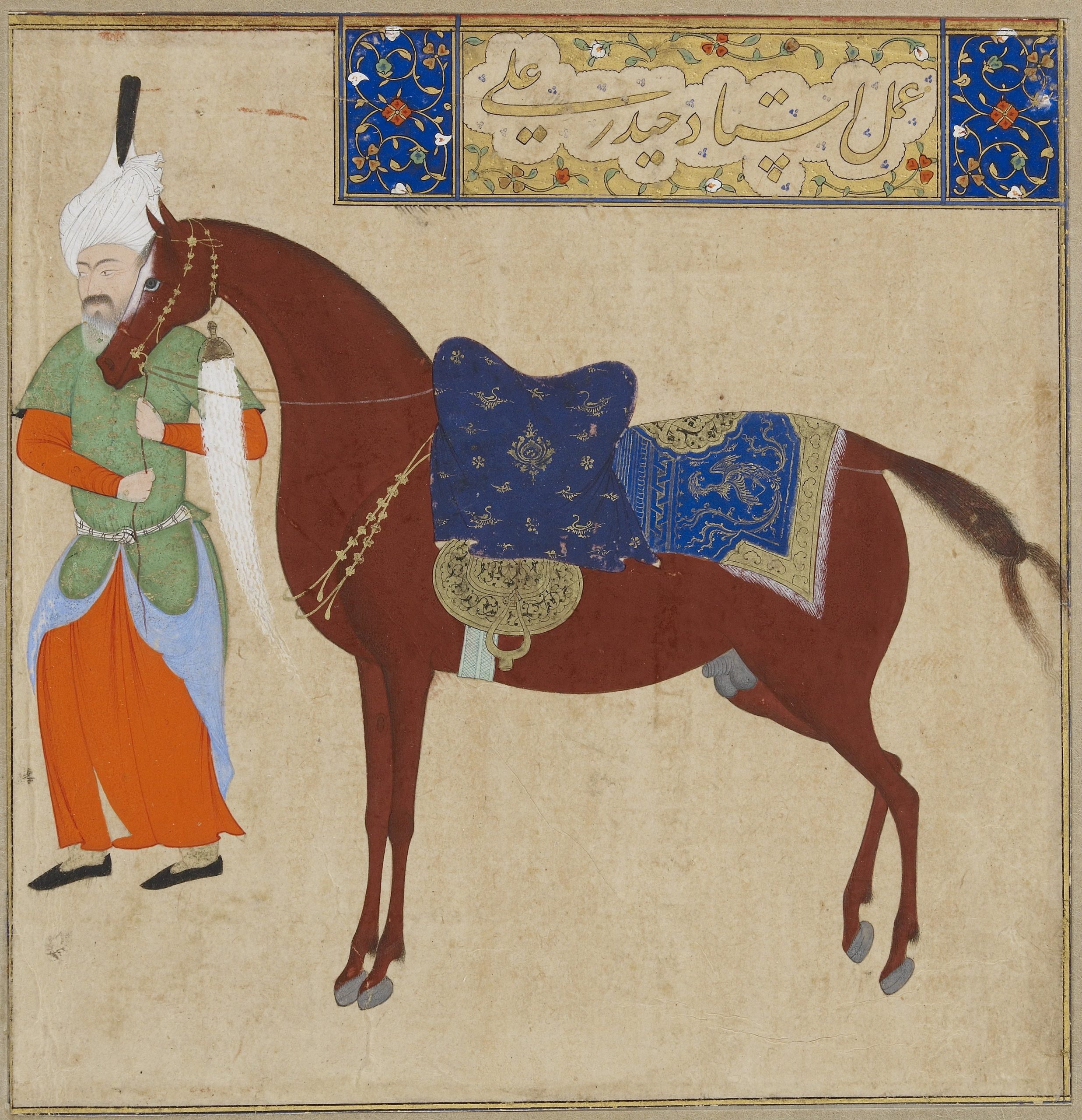
A king’s horse attended by a groom
The image of a king’s horse attended by a groom is a recurring theme in Iranian miniature painting. At the courts of Iranian rulers, grooms held positions of considerable responsibility, overseeing the care of the royal stables and ensuring the well-being of the monarch’s horses. Renowned for their expertise, they possessed a deep understanding…
-
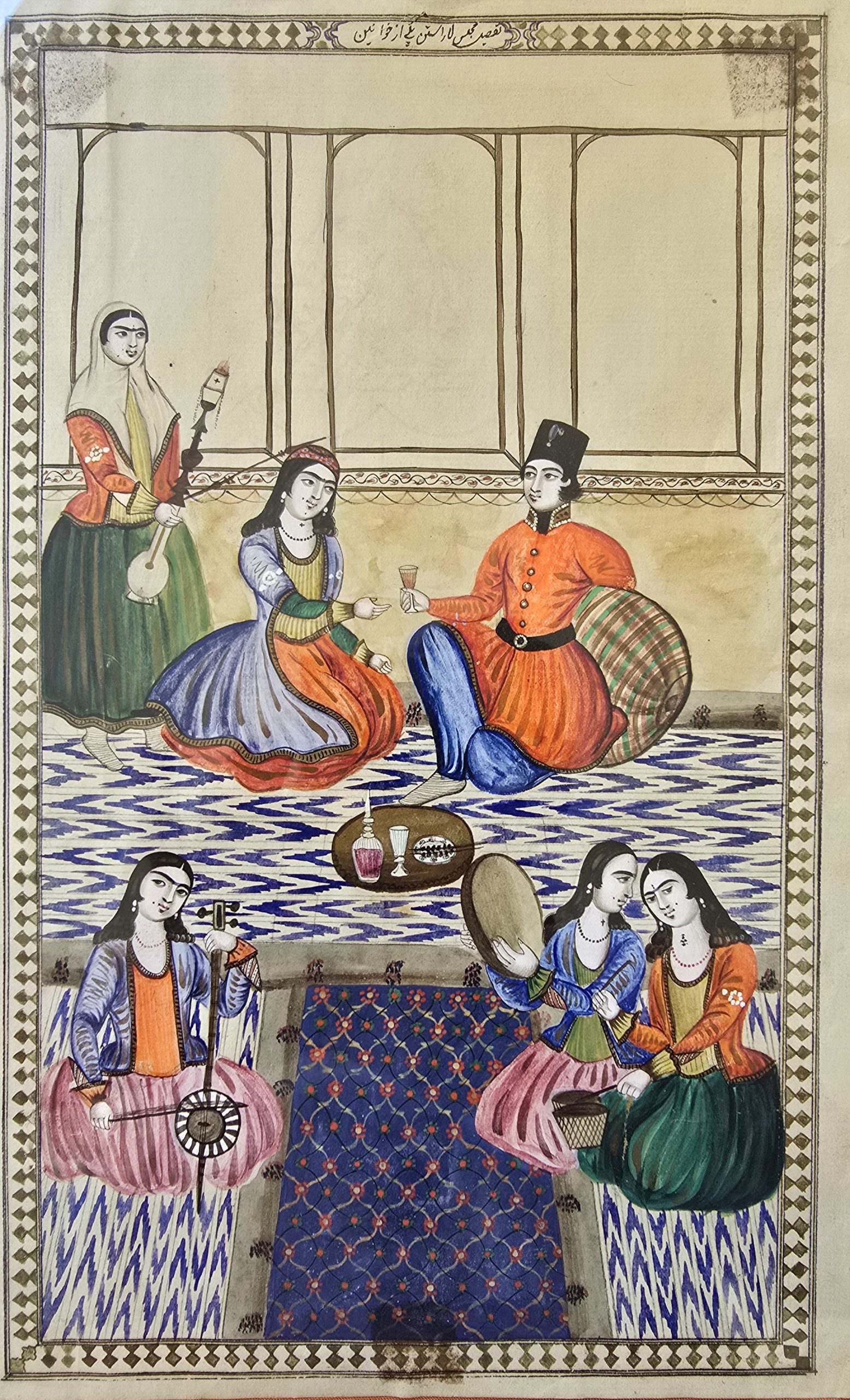
A private feast by a young iranian Khan
Qajar era, probably taken from a 19th century book Technique: Gouache. @2026 Shiraz Art Museum. Featured within a top medallion, the title of this 19th-century book gouache illustration translates to The Description of a feast by one of the Khans. The painting captures an intimate chamber music scene inside a wealthy ruler’s estate. At…
-
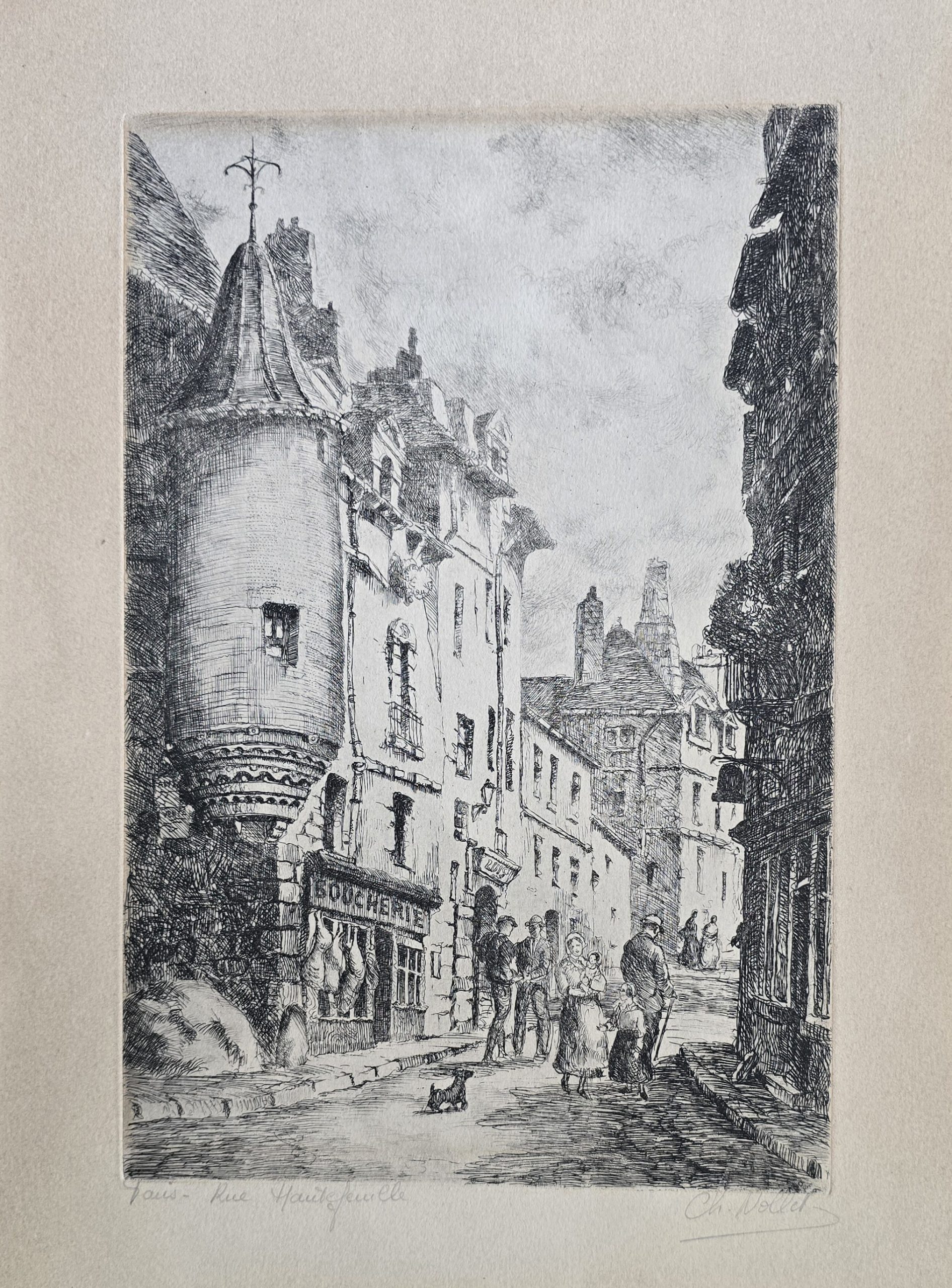
Paris, Rue Hautefeuille
Engraving by Charles Nollet This authentic work of art depicts a picturesque scene on Rue Hautefeuille in Paris. Hand-signed by the artiste Charles Nollet, this engraving demonstrates great finesse in its execution, precisely capturing the historic architecture and the lively atmosphere of a street from a bygone era. The linework is delicate, offering superb…
-
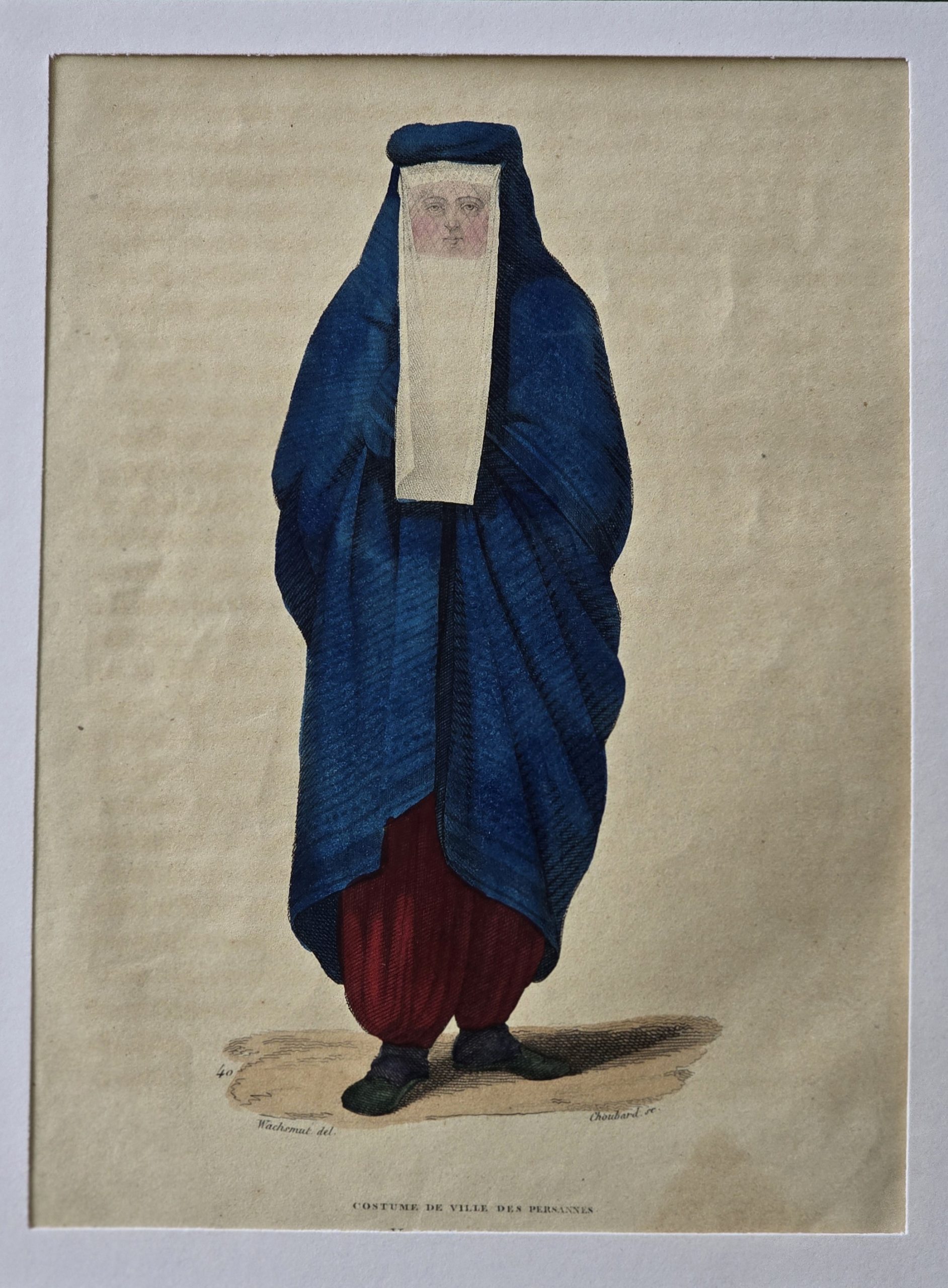
Costume de ville des Persanes
Public costume of persian women by Choubard. Engraving by Wachsmuth. XIXth century Technique: steel engraving. Date: c. 1840Dimensions: 350 × 265 mm (framed) © 2026 Shiraz Art Museum. This is an original hand-coloured engraving, not a digitally printed copy. Bought in France. Illustrating the public dress of a woman in Astarabad (the former name of Gorgan, Iran),…
-
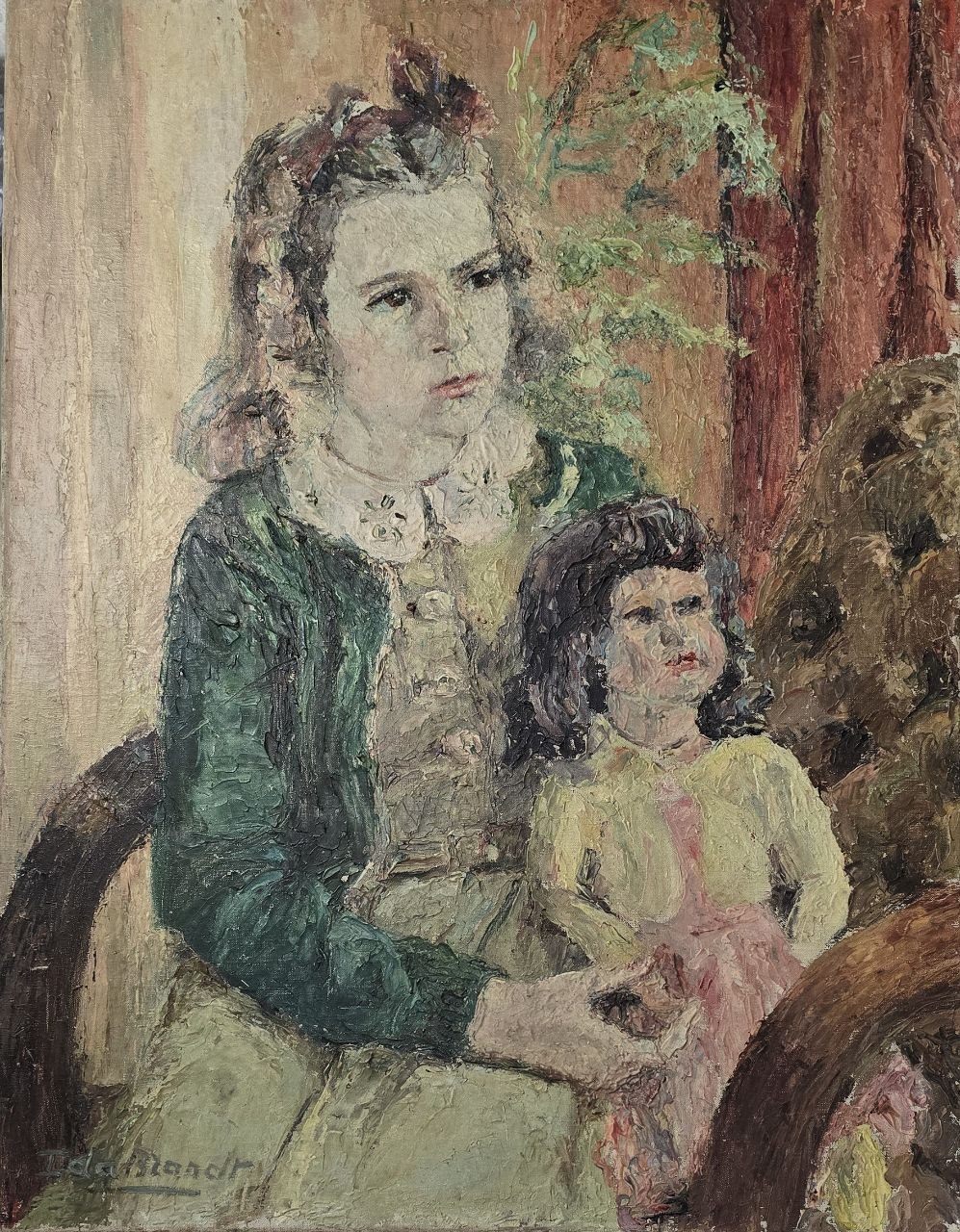
Portrait de Nadine Denin by Ida Brandt (1904-1984)
Oil on canvas, 1944 © 2026 Shiraz Art Museum. Born in Biennedhs on April 14, 1904, Ida Brandt passed away in 1984. She was the youngest of nine children—five boys and four girls. Her first passion was the piano; at seventeen, she went to Bordeaux, dreaming of becoming a concert pianist. There, she won…